 Plan Your Trip Now

How Difficult Is the Trek to Everest Base Camp?
3rd Apr, 2026
- teamramadventure
The Everest Base Camp Trek attracts thousands of trekkers every year. Many come with one key question in mind: how difficult is the trek to Everest Base Camp? The answer requires a clear understanding of terrain, altitude, endurance, and preparation. At Team Ram Adventure, we guide trekkers through this journey with a focus on safety, pacing, and real Himalayan experience. This trek does not demand technical climbing skills, yet it tests your physical strength and mental resilience every day.
Table of Contents
The Everest Base Camp Trek takes you deep into the Khumbu region of Nepal. You follow ancient Sherpa trails, cross suspension bridges, and walk alongside glaciers. The journey reaches 5,364 meters at base camp and 5,545 meters at Kala Patthar. At this altitude, oxygen levels drop significantly. Your body must adapt, and your pace must remain steady. Difficulty does not come from a single factor. It builds through a combination of long walking days, high altitude, and changing weather conditions.
Understanding the Overall Difficulty Level
The Everest Base Camp Trek falls into the moderate to challenging category. A person with average fitness can complete this trek with proper preparation. You do not need prior mountaineering experience. You do need endurance, discipline, and the ability to walk for several hours each day.
The trek usually takes 12 to 14 days. Each day involves walking for 5 to 7 hours on uneven terrain. Some sections include steep climbs and descents. The trail itself remains well defined. The challenge lies in altitude gain and sustained effort over many days.
At Team Ram Adventure, we design itineraries that allow gradual acclimatization. This approach reduces the risk of altitude sickness and improves overall comfort. Difficulty becomes manageable when pacing is correct and preparation is strong.
The Role of Altitude in Trek Difficulty
Altitude plays the most important role in determining the difficulty of the Everest Base Camp Trek. As you climb higher, the air contains less oxygen. Your body must adjust to this change. Without proper acclimatization, trekkers may experience symptoms such as headache, nausea, and fatigue.
The trek includes two acclimatization days, usually in Namche Bazaar and Dingboche. These rest days allow your body to adapt before moving higher. Skipping these days increases risk and makes the trek significantly harder.
Even physically strong trekkers may struggle with altitude. Fitness helps, but acclimatization remains essential. At Team Ram Adventure, our guides monitor your condition daily and adjust the pace when needed.
Daily Walking Distance and Terrain
The trek covers approximately 130 kilometers round trip. This distance spreads across multiple days. You walk through forests, rocky trails, river valleys, and glacial paths.
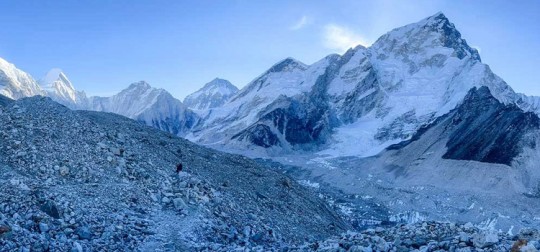
Lower sections include gradual climbs and scenic villages. As you move higher, the terrain becomes more rugged. The final approach to base camp involves walking on rocky glacial moraine. This section requires careful footing and steady movement.
The trail does not involve technical climbing. However, the uneven surface and constant elevation gain demand strong legs and balance. Trekking poles help reduce strain and improve stability.
Physical Fitness Requirements
You need moderate fitness to complete the Everest Base Camp Trek. You should prepare your body before arrival. Training improves endurance and reduces fatigue during the trek.
You should be able to:
- Walk 10 to 12 kilometers in a day
- Climb stairs for 30 to 45 minutes
- Carry a light backpack for several hours
Cardio exercises such as walking, running, or cycling help build stamina. Strength training supports your legs and core. Consistent preparation for at least four weeks makes a clear difference.
At Team Ram Adventure, we advise trekkers to focus on steady improvement rather than intense workouts. Consistency builds endurance and confidence.
Can a Beginner Do Everest Base Camp Trek?
Yes, a beginner can complete the Everest Base Camp Trek with proper preparation and guidance. Many first-time trekkers complete this journey every year.
Beginners must focus on:
- Physical preparation before the trek
- Choosing a proper itinerary with acclimatization days
- Following guide instructions carefully
- Maintaining a steady pace
The key to success lies in patience. Do not rush. Walk slowly. Allow your body to adjust. With the right mindset and support, beginners can complete the trek successfully.
Team Ram Adventure specializes in guiding beginners. Our team ensures safe pacing, proper acclimatization, and continuous support throughout the journey.
Comparing Everest Base Camp Trek with Other Treks
Many trekkers compare Everest Base Camp with other famous treks. The difficulty level depends on terrain, altitude, and remoteness.
Compared to Annapurna Base Camp:
- Everest Base Camp is higher in altitude
- Annapurna offers shorter duration and easier access
Compared to Manaslu Circuit:
- Everest has better infrastructure
- Manaslu is more remote and less developed
Each trek has unique challenges. Everest Base Camp stands out due to altitude and iconic Himalayan views.
Weather Conditions and Their Impact
Weather affects the difficulty of the trek. Clear weather improves visibility and trail conditions. Bad weather increases challenges.
Best seasons include spring and autumn. These periods offer stable weather and clear mountain views.
Winter brings snow and extreme cold. Monsoon season brings rain and slippery trails. These conditions increase difficulty and require extra caution.
Team Ram Adventure schedules treks during optimal seasons to ensure safety and better experience.
Mental Strength and Endurance
Mental strength plays a key role in completing the Everest Base Camp Trek. Long walking days, cold temperatures, and simple accommodation test your patience.
You must stay focused and positive. Challenges will arise. Weather may change. Energy levels may drop. Your mindset determines how you respond.
Trekkers who stay calm and committed complete the journey successfully. Preparation builds confidence. Confidence supports mental strength.
Accommodation and Facilities
Accommodation along the Everest Base Camp Trek consists of teahouses. These provide basic rooms, meals, and resting areas.
Lower regions offer better facilities. Higher regions become more basic. Rooms are simple. Heating is limited. Food options become simpler as you gain altitude.
Comfort level affects your experience. Accepting these conditions helps you focus on the journey rather than discomfort.
Team Ram Adventure ensures quality accommodation within available options and prepares trekkers for realistic expectations.
Safety Measures and Guidance
Safety remains a priority during the Everest Base Camp Trek. Guides monitor your health and pace. They identify symptoms of altitude sickness early.
Our guides at Team Ram Adventure are experienced and trained in high-altitude trekking. They provide support, adjust itineraries, and ensure safe progression.
Carrying proper gear also improves safety. Warm clothing, proper boots, and essential equipment protect you from harsh conditions.
Why Choose Everest Base Camp Trek
Despite its challenges, the Everest Base Camp Trek offers unmatched rewards. You witness some of the highest peaks in the world. You experience Sherpa culture and Himalayan lifestyle.
Highlights include:
- Views of Mount Everest and surrounding peaks
- Namche Bazaar and local culture
- Tengboche Monastery
- Khumbu Glacier and Icefall
- Kala Patthar sunrise view
The journey combines adventure, culture, and natural beauty.
Final Thoughts
The Everest Base Camp Trek challenges your body and mind. The difficulty level remains manageable with proper preparation and guidance. You do not need advanced skills. You need endurance, patience, and the right mindset.
At Team Ram Adventure, we focus on safe trekking, proper pacing, and professional support. We guide trekkers through every stage of the journey. Our experience ensures that you complete the trek with confidence and enjoy the full Himalayan experience.
Prepare your body. Train consistently. Follow guidance. Stay focused. With the right approach, the Everest Base Camp Trek becomes one of the most rewarding journeys of your life.
Recent Posts

Luxury Lodge Trek to Everest Base Camp
1st Feb, 2023

Top 10 Best Short Trekking Destinations in Nepal
3rd Mar, 2023

Tips for the successful Everest Base Camp trek
5th Apr, 2023

Tips for successful Annapurna Base Camp Trek
5th Apr, 2023

Popular places to see in the Everest Base Camp trek
5th Apr, 2023

Route Map of Nar Phu Valley Trek
9th Apr, 2023

Route map of the Everest Base Camp Trek
9th Feb, 2026

Top 5 Trekking destination in Nepal
30th Apr, 2023
Off the Beaten Path treks in Nepal
30th Apr, 2023

Best short trek for beginners in Nepal
30th Apr, 2023
Multi day trekking and hiking gear checklist
30th Apr, 2023

Langtang Valley Trek Cost for Nepali People
5th Jun, 2023

Top 10 Challenging and Difficult Treks in Nepal
12th Jun, 2023

Trekking in Nepal 2025/2026
17th Jun, 2023
5 Best Everest Base Camp Trek Itinerary - 2024:
2nd Jul, 2023

Available Base Camp Treks in Nepal
16th Jul, 2023

Trekking Tips for a Successful Trekking
20th Jul, 2023

All Information about the Annapurna Circuit Trek
25th Jul, 2023

Prevent Altitude Sickness while Trekking
27th Jul, 2023

How Many Trekking Routes are there in Nepal?
6th Aug, 2023
16 Major Places on the Everest Base Camp Trek
13th Aug, 2023

The 20 Best Places to Visit in Nepal
21st Aug, 2023
Short Mount Everest Region Treks – 5 to 10 Days
30th Aug, 2023

Best 5 High Pass Trek in Nepal
11th Sep, 2023
Tips to Prevent Knee Pain During Your tREKKING
17th Sep, 2023
Everest Base Camp Trek in October
25th Sep, 2023

Everest Base Camp Trek in September
25th Sep, 2023
Everest Base Camp Trek in November
25th Sep, 2023

Everest Base Camp Trek in December
25th Sep, 2023

Everest Base Camp Trek in March
25th Sep, 2023

Everest Base Camp Trek in Spring Seasons
26th Sep, 2023

Langtang Valley Trek in Spring
28th Sep, 2023
Manaslu Trek Guide
3rd Oct, 2023
Complete Guide to Pikey Peak Trekking
3rd Nov, 2023

Fitness Guide for Everest Base Camp Trek
11th Dec, 2023
Trekking in Nepal 2025-2026 With Team Ram Adventure
13th Feb, 2024
Trekking al Campo Base Dell' Everest
13th Feb, 2024

Everest Base Camp Trek Permits and Regulation
26th Feb, 2024
Everest Base Camp Trek with Return by Helicopter in 10 Days
26th Feb, 2024

Navigating Nepal's Visa Process: Nepal Visa on Arrival
2nd Apr, 2024

Langtang Valley: A Guide to Trek Permit Costs
4th Apr, 2024

How Difficult is Annapurna Circuit Trek?
2nd Jun, 2024

How to Prepare for Trekking in Nepal?
2nd Jun, 2024
Everest Base Camp Trek Cost and Itinerary
6th Jun, 2024
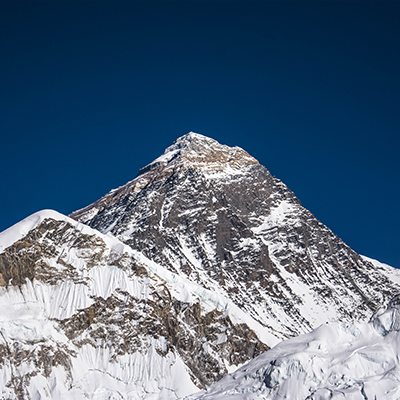
Why Everest Base Camp Trek by Helicopter Return?
12th Jun, 2024

How to Trek to Everest Base Camp
16th Jun, 2024
Short Manaslu Circuit Trek
20th Jun, 2024

Nepal Tourist Visa Process
21st Jun, 2024
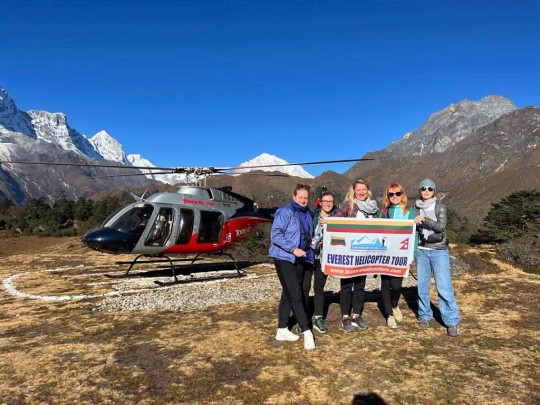

The Everest Base Camp Trek: A Comprehensive Guide 2025-2026
10th Jul, 2024


Packing List for Trekking in Nepal
10th Sep, 2024
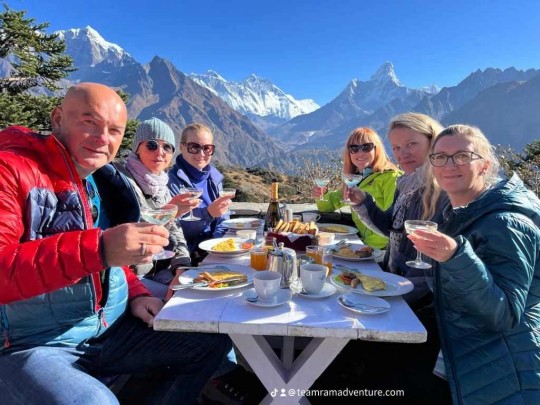
The Ultimate Guide to the Everest Base Camp Trek in 2025
16th Nov, 2024


Trekking in Nepal: Your Ultimate Guide for 2025 and 2026
27th Nov, 2024

Why Choose the Annapurna Base Camp (ABC) Trek in 2025/2026?
27th Nov, 2024

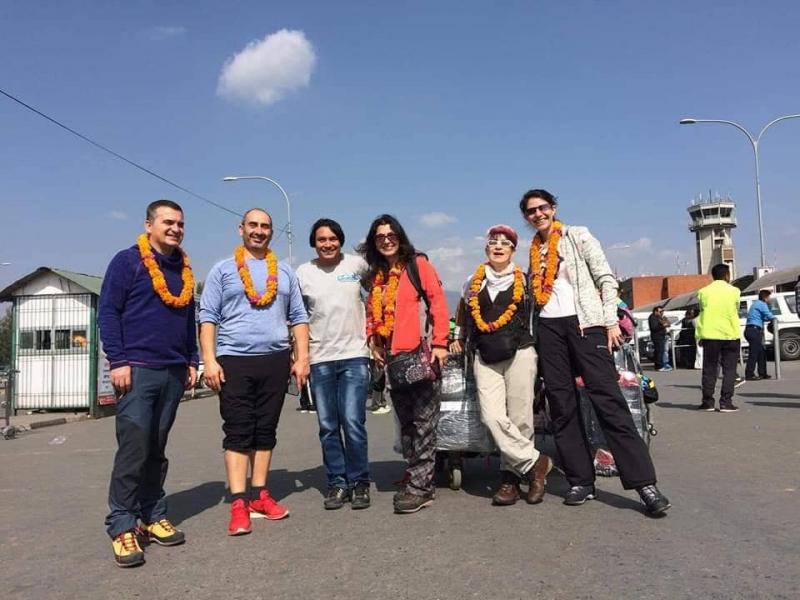
Why Trekking in Nepal? Exploring the Himalayas
30th Nov, 2024


Trekking in Nepal: Your Ultimate Guide for 2026/2027
3rd Dec, 2024

Trekking in Nepal: The Ultimate Guide for 2026 and 2027
7th Dec, 2024


Viaggio in Nepal: Alla Scoperta del Tetto del Mondo
13th Dec, 2024

Viaggio in Nepal: Una Guida Completa alla Terra degli Dei
13th Dec, 2024

Trekking in Nepal: A Guide for 2026-2027
19th Dec, 2024

Nepal: The Ultimate Destination for Trekking
19th Dec, 2024
Short Manaslu Circuit Trek (10 Days)
20th Dec, 2024
Why Choose the Everest Three High Passes Trek
25th Dec, 2024

Trekking in Nepal: A Journey of Adventure and Serenity
26th Dec, 2024
Best Trekking Routes in Nepal: A Paradise for Adventurers
26th Dec, 2024
Top Trekking Destinations in Nepal
29th Dec, 2024

Viaggio Nepal: Scopri le Meraviglie del Paese delle Montagne
30th Dec, 2024

How Much Does the Everest Base Camp Trek Cost in 2026/2027?
31st Dec, 2024


Best Time for Trekking in Nepal: A Comprehensive Guide
2nd Jan, 2025

Trekking in Nepal:Top 20 Treks Guide
5th Jan, 2025

Annapurna Base Camp Trek Itinerary And Cost
13th Jan, 2025

Solo vs Guided Trek to Annapurna Base Camp
13th Jan, 2025

Nepal Peak Climbing 101: Tips, Routes, and Adventures
18th Jan, 2025


Trekking in Nepal: Everything You Need to Know
25th Jan, 2025
The Best Trekking Routes in Nepal
25th Jan, 2025

Annapurna Base Camp ABC Trek from April 4-14- 2026
26th Jan, 2025

.jpg)

Everest Base Camp Trek: The Ultimate Adventure in Nepal
16th Feb, 2025

How to Prepare for Everest Base Camp Trek
16th Feb, 2025
Plan Your Everest Tour by Helicopter Ride
25th Feb, 2025


Everest Luxury Trek with Helicopter Return
13th Mar, 2025


.jpg)


.jpg)


Panchase Trek Nepal: Complete 5-Day Itinerary Guide
11th Mar, 2026
How Difficult Is the Trek to Everest Base Camp?
3rd Apr, 2026